Wordpress was developed strictly as being a website system, around the other hand, Joomla from its starting was an entire feature CMS. These are the key factors to the differences between these two material administration methods. WordPress comes outfitted with a number of functions constructed into Core, a single of these is remark system. Although Joomla 3.4 never have in-build feedback, and probably even in long term version 3.5 will don't get it, you've possibility to put in & use them in a simple and fast way. And probably you have even more possibilities how they should work for you.
Advantages of Comments
Feedback can be used for different ways, like a standard comment for articles (all or selected), for reviews of products and much more. It is up to you how to use this function in your web project. But the most important reason for their use remains unchanged, users (registered or not) it is a great way of developing unique on-page content sometimes even each day as well as allowing visitors to share their insights. The content material which is also indexed by Google and can help your SEO. If users can read independent reviews of an individual article, offer or service, they see how real users perceive products, not only the manufacturer or reseller description.
In particular, also if you going to run a small business weblog section based on Joomla!, 1 of the most important areas is the remark section. Interaction and audience participation plays a big role in the success of your website, with direct remarks as well as social media sharing.
Two solutions but many extensions
In general we have two principal feedback storage solutions: as a content material in your CMS or as a social commenting system (Disqus, Facebook Remarks, Google Plus feedback) but in second option - those feedback do not belongs to you database, because they are hosted on their "social" platforms.
When we are talking about Joomla and you will check number of extensions on JED for feedback you might lost. What to choose and what will be good for me.
K2 - this is not a simple comments method, it can be even called additional material management inside Joomla because it has so many attributes, options etc. When you are using K2 you never have to worry about feedback because it have in-build such a system. There are also solutions which allows you to replace this system with other.
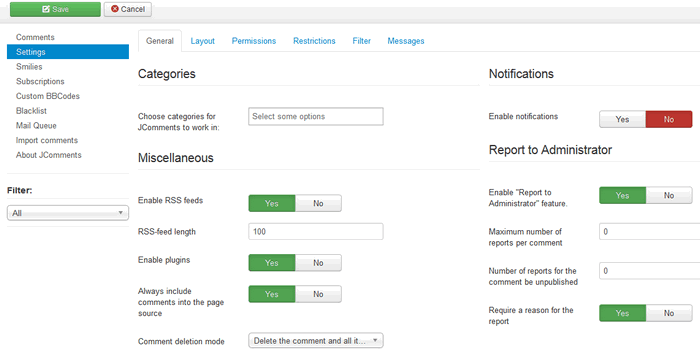
JComments - it's very popular and known since 2009 AJAX based remark program (extension) for Joomla. If you used it on Joomla 1.5 you will still love it because there is a edition for both Joomla 2.5 and Joomla 3.4. It has flexible ACL, smiles, BBCodes and avatars support, Antispam (CAPTCHA) and flood protection, Ban Ip, Quick moderation (from e-mails) and much more functions. On project website you can find also modules which allows you to show latest remarks, latest commented or most commented articles. Greatest advantage, it is still a free component, but it inserts a backlink to the developer, this might be not good for you in some cases.
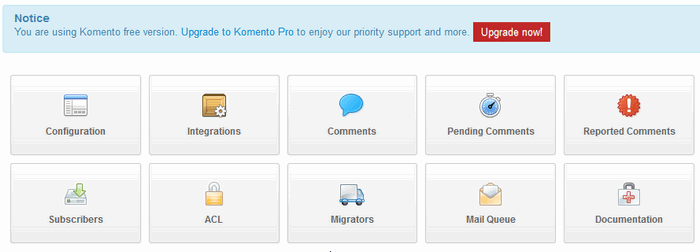
Komento - without a doubt features a shorter historical past than JComments, simply because initial version was published in Might 2012, but crew powering this answer is powerful and completed a great job. Maybe which is why Komento was a single of the winners in the Community Choice Extensions inside the JED in December 2012 as a result of its effective and beneficial attributes. It utilizes the very best confirmed options from remarks sytems, furthermore, updates happen really regularly. It handles comments in K2, EasySocial, JomSocial, FlexiContent, ZOO, EasyBlog, VirtueMart, AceShop, redSHOP, Ohanah , Sobi Pro , Mosets Tree in Skilled model. When you can examine it's two edition free of charge and industrial.